If the
child still has living relatives, why does he live at a Rescue
Centre?
According to
traditional cultural norms and practices in Cambodia at this time,
when a mother dies, the father
rarely looks after his children by himself. Husbands will normally
almost immediately get a new
wife. It is rare for the new wife to accept the stepchildren as her
own. Often she simply refuses to
have them live with her, and if she allows them to stay, she is
often unkind to them. If she has a
child of her own, it will be even worse for the stepchildren. Other
relatives are usually too poor
to take on the responsibility of grandchildren, nieces, or nephews.
Helping the relatives with
provisions for the orphan children becomes very difficult, because
the relatives, of course, will
share whatever is given with all the extended family. The orphan
children often do not have the same
status as the other children. It is an accepted social slot for
orphan children to be, not beloved
children, but servants in the household. At best, the orphan
children will get to go to school, even
though they must also serve the family by cooking, cleaning, and
babysitting. At worst, they will be
mistreated and beaten or sometimes sold. In any case, they will not
be highly esteemed and their
self-image will be trashed. Poverty is not harmful to children, but
lack of love is damaging in the
extreme.
Why doesn’t Rescue put these
children in foster
care?
After many conversations with
Cambodians, we have come to understand
that children are often not well-loved in many of these situations.
Of course, at the Rescue
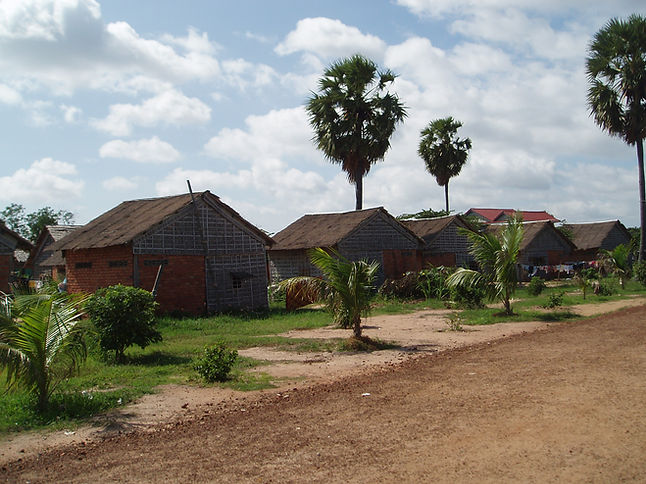
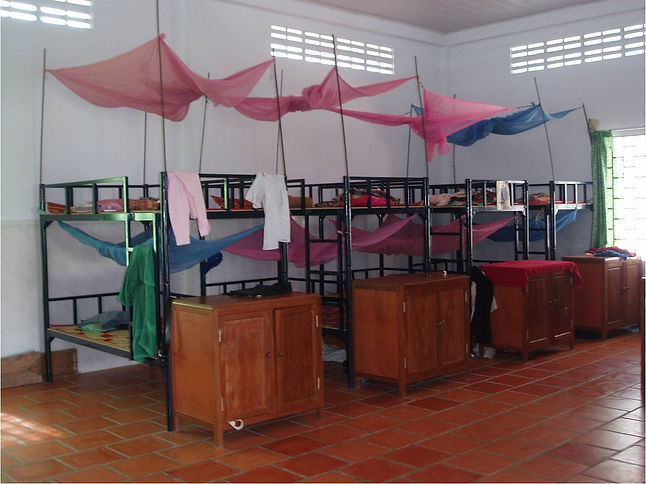
Centres, they are also being cared for in what could be called
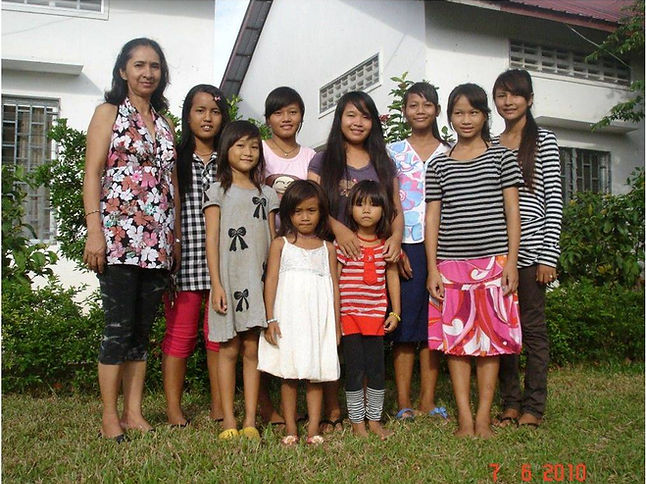
“foster care” since ten children live
together under the care of a house mother. The difference is that
she does not have children of her
own, so she is not in the position where she will make a distinction
between her children and foster
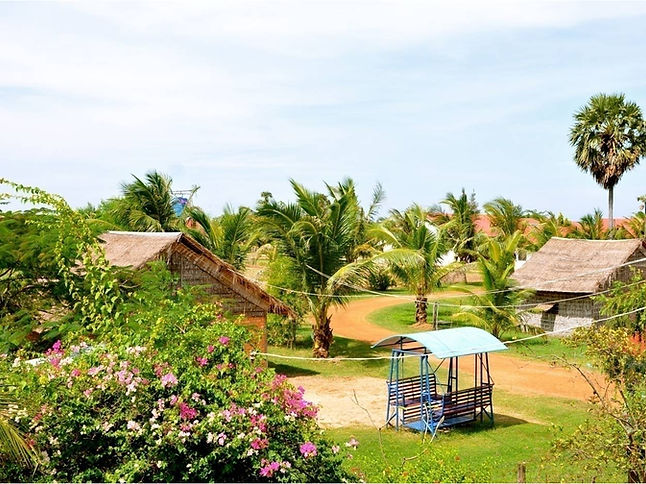
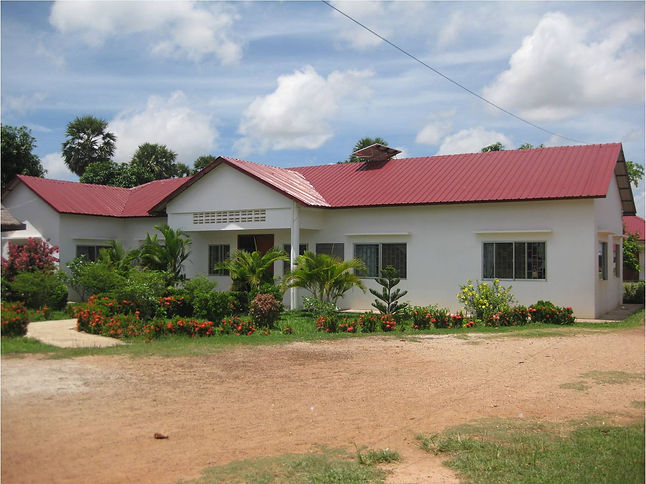
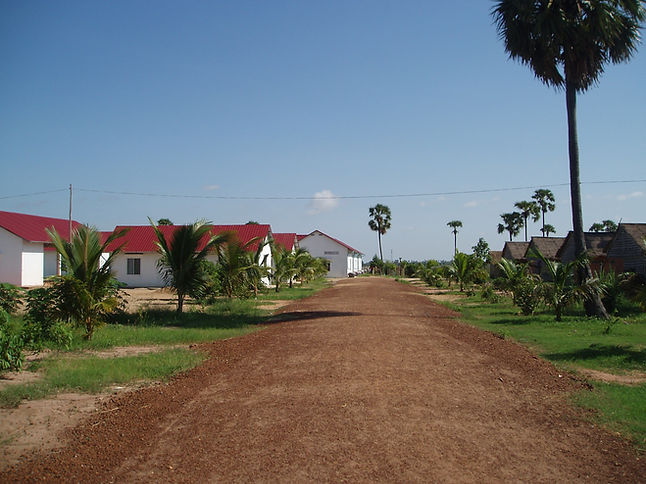
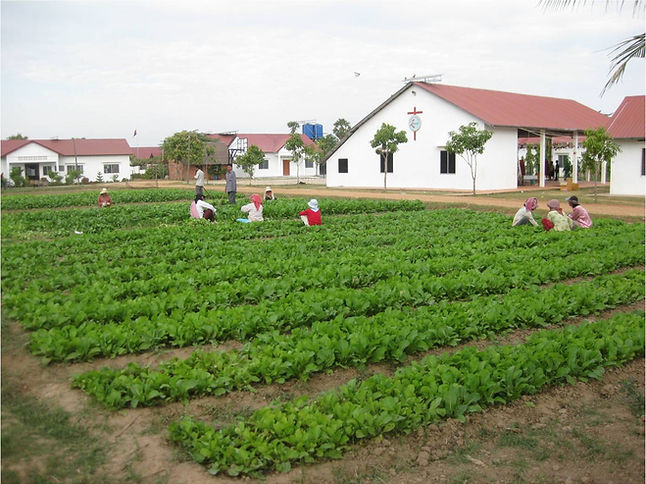
children. Also, while living in what could be called Rescue village,
though she is free to parent
her household in her own way, her actions are always monitored.
Every week all the house mothers
meet with supervisors to discuss problems and pray together. Much
accountability is required both
financially and behaviorally.
How long can the children live
at
a Rescue
Centre?
Orphans who
come are received permanently
into their Rescue family. When children pass their grade 12 exams,
they can go on to university. We
have two university dorms in Phnom Penh where we have a partnership
with New Life Fellowship and
their excellent dormitory program. Our university students from
Rescue Centre 2 stay in our
dormitory in Svay Sisaphon while they study. For those who do not
continue to study, we provide
skills training for them according to their choice. Of course,
children are always welcome back to
their Rescue home for visits and special occasions once they are
grown.
Why do some adults and children
choose to
leave?
Sometimes
AIDS patients leave because they
have heard of another organization that they think might help them
in a way that seems more
acceptable to them. Sometimes children leave because their relatives
or others have persuaded them
that there is a good job opportunity for them. This is especially
true of our children in the Rescue
Centre in Mongkol Borey, near the Thai border. Many Cambodians go to
Thailand to work. Very rarely,
we take in a child who is so damaged emotionally or socially that we
realize we are not equipped to
help him. For the sake of the other children, we are unable to keep
the child. We seek out other
organizations that may be able to help him. Occasionally, a teenage
child will refuse to continue to
go to school. If all efforts fail to convince the child to stay in
school, and he is under the age
of 18, the child will go back to live in his village with relatives.
Sometimes this situation is
only temporary, and the child returns to us.
How does Rescue come to welcome
babies?
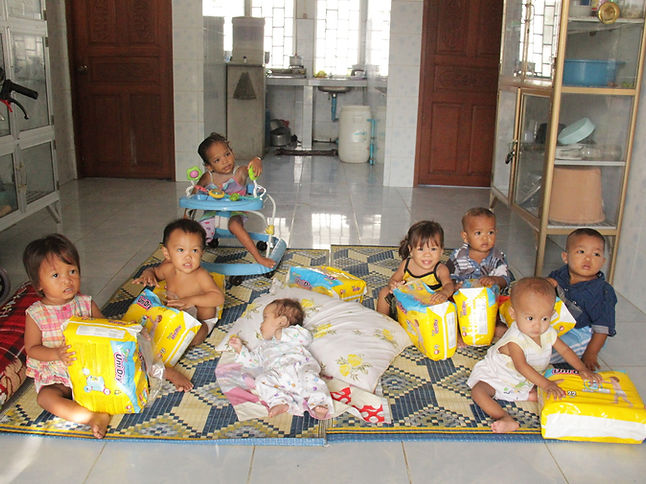
Babies that
are not “perfect” are sometimes
abandoned. If they are handicapped, have cleft palates, or are
mentally challenged, mothers
sometimes refuse to care for them. Sometimes this is the result of a
false religious belief that
makes them fear bad karma. A child with bad karma may be thought to
bring harm to whoever cares for
him. Other circumstances come up that cause a mother to not be able
to care for her
baby.
Why don’t you have foreign
staff?
We desire
that our children grow up with a
strong identity as Cambodians. We want them to love the fact that
they are Cambodian. We have
Cambodian house mothers seeking to raise them as typical Cambodian
children, preparing Cambodian
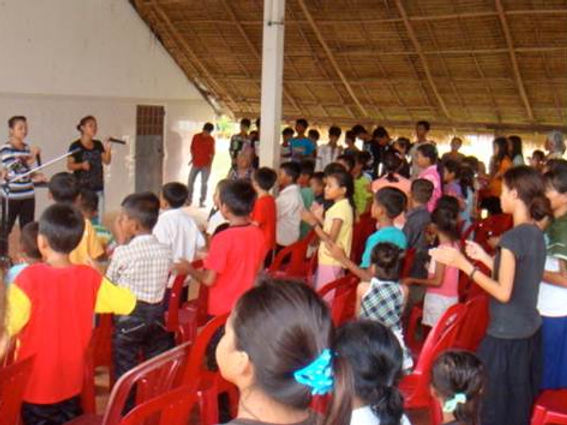
food, attending Cambodian schools, being disciplined by Cambodians,
and worshipping in their mother
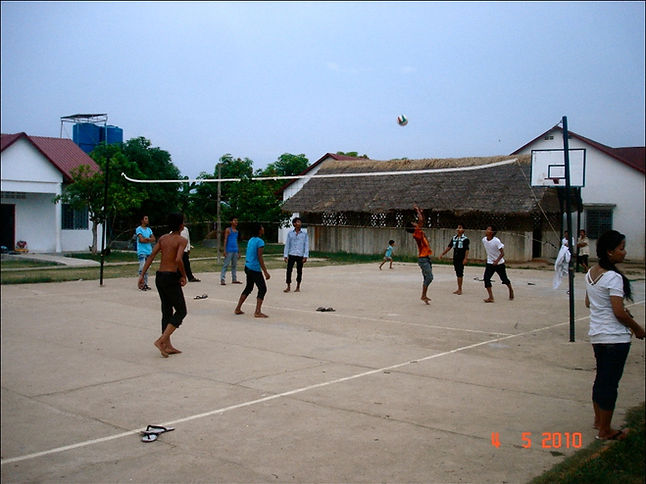
tongue. They play Cambodian games and learn Cambodian dance. We want
them to take leadership and
responsibility and set the agendas. We desire that our children
believe in their ability to reach
for the top. There are presently over 100 Cambodian staff employed
by Rescue.
What criteria do you require in
a
house
mother?
House
mothers come from various places
throughout the country of Cambodia. If they are older women and men
who have already raised their
children, we give them a house full of boys. If they are younger
women, at least the age of 30 who
have never married and don’t plan to marry, we give them a house
full of girls.
A house mother must be a strong believer in Jesus with some Bible knowledge. She must be able to read and write but does not necessarily need a high education. She must be motivated by love for the children rather than a desire for money. She needs much patience and wisdom.
Are there short-term volunteer
opportunities?
At Rescue,
we desire to honour and lift up
Cambodian people. When they are capable of doing things for
themselves, we believe it is better to
have them do everything for themselves. The Cambodian people, even
our children, are capable of
doing almost everything. The Cambodian staff and extra workers we
might hire can do most tasks. The
reality is some many Cambodian men and women need the work. The only
area in which Cambodian staff
could use outside assistance is in the area of teaching English as a
second language. We offer the
opportunity for teachers to volunteer to teach English for at least
three
months.
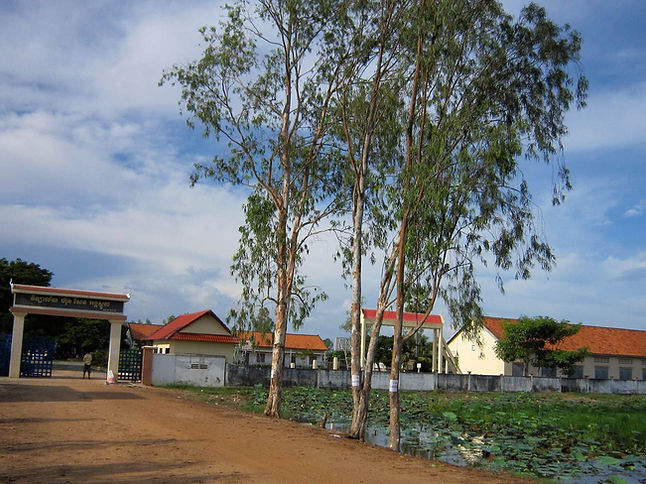
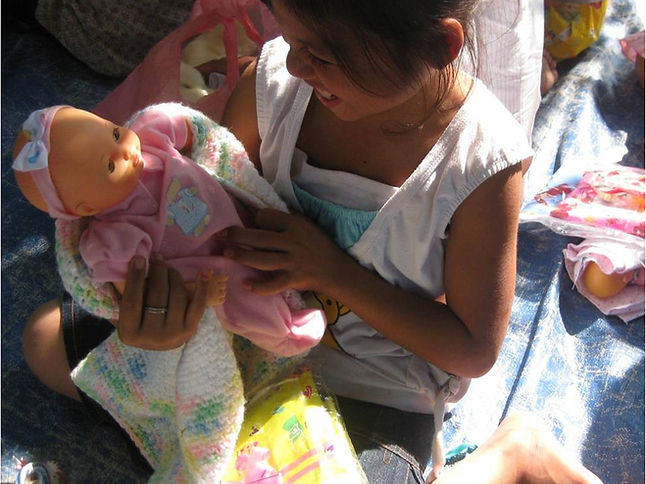
If people ask to visit Rescue Centres, we welcome that. They come at a time when the children are in school and adults occupied with what they routinely do. The visitors get to observe regular life at the Centre. We welcome gifts but prefer to give them out ourselves at appropriate times.
We recognize that a visit can be life-changing. No matter how much we tell about what we are doing and try to explain by words and pictures what great places the Rescue Centres are, you have to see it to believe it. When people come to visit and to pray with us, it is a great encouragement to us.